Gardener Marylebone: Recycling and Sustainable Gardening Waste
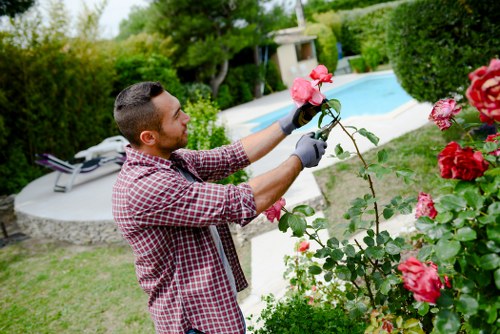 Gardener Marylebone is committed to creating an eco-friendly waste disposal area and a long-term vision for a sustainable rubbish gardening area across Marylebone and surrounding streets. Our approach blends practical garden maintenance in Marylebone with clear recycling goals and day-to-day actions that reduce carbon and landfill contributions. We collaborate with local authorities and community groups to ensure that every garden clearance or green waste collection is handled responsibly and creatively.
As a Marylebone gardener service focused on sustainability, we set an ambitious recycling percentage target that drives all operations. Our current aim is to divert a minimum of 70% of garden and household recyclable materials from landfill by 2028, rising to 80% as new facilities come online. This percentage target covers green waste, soil and inert materials, compostable organics and reusable items from garden clearances, helping to turn what would be rubbish into resources for the local circular economy.
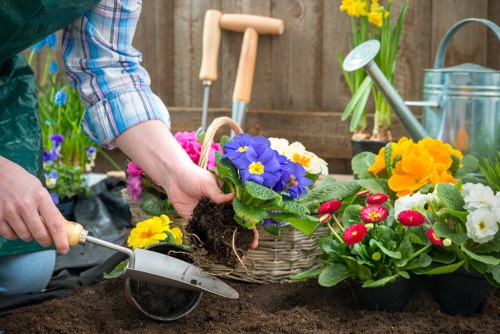 We align our work with the boroughs' approach to waste separation — including the City of Westminster's emphasis on separate food/organic, dry recycling and residual waste streams — and we adapt to neighbouring borough rules when operating near boundaries. Our teams are trained in correct separation, tagging, and documentation, so that leaves, prunings and woody waste are segregated from plastics, metals and any household items found in gardens. This careful sorting enables higher recycling yields at transfer points.
To support efficient handling we make consistent use of local transfer stations and household waste recycling centres that serve Marylebone and central London. We work with authorised civic amenity sites and transfer facilities in Westminster and nearby boroughs so that green waste is taken to composting facilities and reusable items are routed to reprocessing streams. By directing materials to the correct transfer stations we increase recovery rates and reduce unnecessary haulage loops.
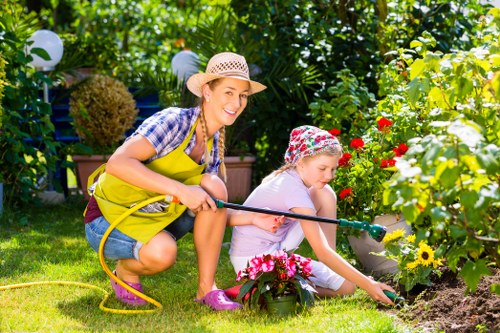 Part of our sustainability plan is building partnerships with charities and reuse organisations. When garden clearances reveal furniture, pots, tools or unwanted planters in reusable condition, we sort and prepare these items for donation to local community charities, reuse centres and social enterprises. Our charity partners benefit from quality second-hand goods, and our clients benefit from knowing materials are rehomed rather than destroyed. Partnerships like these support practical reuse and strengthen the local circular economy while reducing disposal costs.
We also maintain a clear list of typical recycling activities we deliver for central London gardens — both to inform clients and to support borough recycling targets. These activities include:
- Segregation of green waste for anaerobic digestion and composting
- Separation of soils and inert materials for specialist reuse
- Collection of metal and hard plastics for recycling
- Preparation of reusable items for charity donation
- Safe removal of small quantities of treated timber and its diversion to appropriate facilities
Our vehicle fleet is a core component of our low-impact operations. We prioritise low-carbon vans including electric vehicles and low-emission hybrids for short urban hops in Marylebone, and optimise routing to minimise miles and idling. All vans carry secure separation bays to avoid cross-contamination of loads, and drivers complete waste transfer notes that record where materials are deposited. This transparent chain of custody supports borough reporting and demonstrates our commitment to a reduced transport carbon footprint.
 In addition to vehicle improvements we use on-site measures to lower environmental impact: mulching prunings to produce mulch for clients' beds, composting leaves and soft prunings in community compost bays when space allows, and reusing planters and hard landscaping items where safe and appropriate. These practices turn garden waste into resources and create nutrient-rich soil amendments that support healthy green spaces across Marylebone.
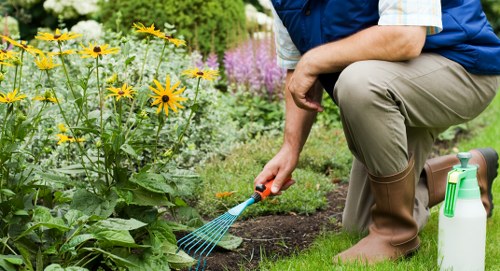 Education and clear communication are part of our sustainable gardening offer. We provide clients with simple instructions on how to segregate waste before our visits, recommend local drop-off points for hazardous or specialist wastes, and explain the benefits of reusing materials locally. Our goal is to build practical community habits that align with Westminster and neighbouring boroughs' waste separation schemes and help increase overall recycling performance.
Why choose a sustainable garden waste approach in Marylebone?
Choosing a specialist Marylebone gardener who focuses on sustainable waste handling reduces landfill, lowers local emissions and supports charities and community reuse projects. Small actions — like ensuring pots are reusable, separating woody waste from compostables, and permitting donations of suitable items — accumulate into measurable environmental benefits and help us meet and surpass our recycling targets.
Commitments and next steps
We publish annual summaries of our recycling performance against the target and review transfer station partnerships, charity collaborations and fleet efficiency each year. By monitoring our recycling percentage target, maintaining strong links with local transfer stations and reuse charities, and investing in low-emission transport, Gardener Marylebone aims to set a practical example for eco-friendly waste disposal areas and sustainable rubbish gardening areas across the locality.
Our promise: to manage garden waste professionally and responsibly, to divert materials from landfill wherever possible, and to support local reuse that benefits Marylebone communities and the wider urban environment.