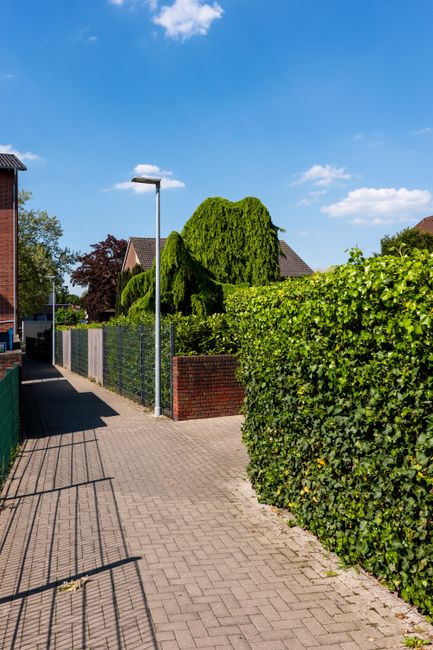
Regents Park Hedges Privacy Solutions Marylebone Gardeners Use for Better Seclusion
If you live near Regent's Park, you already know the charm comes with a trade-off: beautiful streets, busy footpaths, and the occasional feeling that your garden is a little too visible. That is where Regents Park hedges privacy solutions Marylebone gardeners recommend can make a real difference. Done properly, a hedge does more than block a view. It softens noise, frames the garden, adds structure, and gives you that calm, enclosed feeling people are often after in central London.
In this guide, we will look at the practical side of privacy hedging: what works, what does not, how to choose the right plant shape, and how to keep everything looking neat without losing the privacy you wanted in the first place. Truth be told, a hedge can be a lovely solution, but only if it is planned with a bit of care.
For homeowners, landlords, and busy garden owners, the aim is simple: create privacy without making the space feel boxed in. Let's get into the details.
Why Regents Park hedges privacy solutions Marylebone gardeners Matters
Gardens around Regent's Park and Marylebone often face a mix of constraints: limited space, shared boundaries, overlooking windows, and a need to keep the frontage looking smart. Privacy is not only about hiding the space. It is about making the garden usable.
When a hedge is chosen well, it can solve several problems at once. It shields seating areas from passers-by, reduces the sense of exposure from neighbouring upper floors, and creates a more private backdrop for planting, dining, or simply sitting with a coffee on a quiet morning. You notice it most on those bright spring days when the sun is out and everyone seems to be outside. Nice for them. Less ideal for your patio conversation.
In areas with dense housing, privacy solutions also need to balance appearance. A tall, heavy barrier can look harsh. A carefully clipped hedge is usually softer, more elegant, and far more in keeping with period terraces, mews gardens, and formal city spaces. That is why local gardeners often lean toward living screens rather than solid fencing alone.
There is also the practical side of value. A well-kept hedge can make a garden feel larger, more finished, and better cared for. Even if you are not planning to sell, that sense of order matters. People tend to relax in a garden that feels private and composed. It is a small thing, but not really small at all.
How Regents Park hedges privacy solutions Marylebone gardeners Works
At the simplest level, hedge privacy works by using dense evergreen or semi-evergreen growth to create a living screen. The key is density, height, and placement. A hedge with sparse branches at the base will never feel as private as one that is encouraged to grow thick from the bottom up.
In practice, the process usually begins with a site assessment. A gardener looks at boundary lines, sun exposure, soil type, existing planting, and the exact angle of overlooking. A north-facing garden may need a tougher species that tolerates shade. A smaller courtyard may need a narrow hedge or trained form rather than something broad and spreading.
Then comes the decision about structure. Some gardens benefit from a hedge planted as a formal boundary. Others need layered privacy: a hedge near the edge, with taller planting or trellis support behind it. In many Marylebone gardens, that layered approach is the neatest solution because it preserves usable floor space.
Maintenance matters as much as planting. If a hedge is trimmed too aggressively, especially at the top, it can thin out. If it is left alone for too long, it may become leggy and lose its clean line. A good hedge privacy solution is really a long-term system, not a one-off job. A bit like a haircut you have to keep up with, although thankfully less dramatic.
Key Benefits and Practical Advantages
There are several reasons people choose hedge-based privacy over hard screening. Some are obvious. Some creep up on you only after the hedge has settled in.
- Living privacy: unlike a plain fence, a hedge gives softness and seasonal character.
- Noise buffering: while it will not silence the city, a dense hedge can help take the edge off street sound.
- Visual calm: the garden feels less exposed and more restful.
- Design value: hedges create structure and can make planting look more deliberate.
- Microclimate support: a good hedge can help reduce wind exposure in a sheltered courtyard or terrace.
- Long-term flexibility: with regular trimming, hedges can be shaped, lowered, or allowed to mature into a fuller screen.
One of the less obvious advantages is how hedges make people use their gardens differently. A space that feels overlooked often sits empty. Add privacy, and suddenly there is somewhere to read, eat, or have friends over without that awkward feeling that everyone nearby can hear you discussing supper. That change in behaviour is often the real payoff.
If you are comparing privacy options, it is also worth noting that a hedge can sit alongside other services such as garden landscaping or landscape gardening for a more complete redesign. In some gardens, the hedge is the backbone; in others, it is just one part of a layered layout.
Who This Is For and When It Makes Sense
Privacy hedges are not for every garden, and that is fine. They suit people who want a natural screen and who are willing to maintain it. If you prefer something instant and rigid, a hedge may not be the right lead option on its own.
This kind of solution makes sense if you:
- have a front, rear, or side garden that is overlooked;
- want to divide seating areas from neighbouring views;
- need a screen that looks softer than fencing or panels;
- have a long-term view and can wait for the hedge to establish;
- are trying to improve a formal garden without losing elegance;
- need a practical boundary solution in a compact London space.
It is also useful for landlords and property managers who want outdoor areas to look private and presentable without feeling overdesigned. For family gardens, the benefits are obvious too. Children play more freely when the space feels enclosed. Adults do, too, if we are honest.
On the other hand, if your planting area is very narrow, heavily shaded, or exposed to constant foot traffic, a combined approach may be wiser. Sometimes the best answer is hedge plus trellis, or hedge plus strategic tree work. If trees are part of the problem, tree lopping and removal can be part of the wider privacy plan, provided it is handled carefully and appropriately.
Step-by-Step Guidance
Here is a practical way to approach a privacy hedge project without rushing into a choice you later regret.
- Assess the sightlines. Stand in the garden at different times of day and see where the overlooking really comes from. Upper windows are often more important than ground-level passers-by.
- Measure the available width and height. A hedge needs room to grow. In a narrow garden, every centimetre matters.
- Check light and soil conditions. Sun, shade, drainage, and root competition all affect the final result.
- Choose the privacy style. Decide whether you need a formal clipped hedge, a softer natural screen, or a mixed planting scheme.
- Select suitable species. The right plant depends on whether you need evergreen coverage, resilience, and a tidy shape.
- Plan establishment care. Newly planted hedges need watering, support, and careful monitoring during the early months.
- Set a maintenance rhythm. Build trimming into the plan from the start so the hedge remains dense and balanced.
That last step is the one people skip most often. They focus on planting day, which is understandable. Planting feels like progress. But the hedge you want in year three is created by what you do in month three.
If your garden needs broader seasonal care as well, it may help to pair hedge work with garden maintenance or even lawn mowing so the whole space feels coherent rather than patched together.
Expert Tips for Better Results
A good hedge privacy solution is about proportion as much as plant choice. Here are some practical points that make a real difference.
- Start slightly wider at the base. A hedge that narrows too much near ground level can become thin and awkward.
- Do not chase height too quickly. Let the hedge establish density before you push it upward.
- Trim little and often. Light, regular cutting usually gives a better finish than dramatic cuts every so often.
- Use staggered planting where appropriate. In some settings, offset rows create a fuller screen sooner.
- Think about winter visibility. Some hedges look excellent in summer but feel too open once leaves drop or growth slows.
- Keep access in mind. If the hedge sits near paving, gates, or steps, maintenance needs to stay practical, not just pretty.
One useful rule of thumb: if you want privacy, do not treat the hedge like a decorative border only. It has to work hard. That means choosing the right structure from day one.
In our experience, people are happiest when the hedge feels intentional rather than squeezed in. Even a modest screen can feel generous if it is planned well. There is a quiet confidence to that. A garden does not need to shout to feel private.
Common Mistakes to Avoid
Privacy hedging goes wrong in familiar ways, and most of them are preventable. The biggest mistake is choosing a plant because it looks good in a pot rather than because it suits the site. A neat nursery specimen can still become a poor hedge if it dislikes shade, dry soil, or repeated clipping.
Other common problems include:
- Planting too close to walls or boundaries, which leaves no room for mature growth and maintenance.
- Expecting instant privacy from a newly planted hedge.
- Ignoring the hedge line, so the screen grows unevenly and looks patchy from one angle.
- Over-trimming the top, which can starve the lower sections of light.
- Forgetting access for future maintenance, especially in narrow side returns or enclosed courtyards.
- Combining too many competing features, which makes the space feel busy rather than calm.
Another subtle mistake is forgetting that privacy is directional. You may only need screening from one upstairs window or one public path, not the entire perimeter. If you try to solve every possible angle at once, the garden can start to feel heavy. Better to solve the actual problem, not the imaginary ones too.
Tools, Resources and Recommendations
For homeowners and gardeners alike, the right tools and support make hedge privacy work cleaner and less stressful. You do not need a warehouse full of kit, but you do need the basics to be in good order.
Useful tools and practical items often include:
- quality hedge shears for lighter finishing work;
- loppers for thicker stems that do not need heavy machinery;
- watering cans or a hose setup for establishment care;
- organic mulch or soil improver where needed;
- string lines or simple markers to keep the hedge straight;
- protective gloves and eye protection when trimming.
For larger or more complex gardens, a professional team may also bring in broader support such as services overview planning, pricing and quotes, or related work like garden clearance when an overgrown boundary needs to be reset before new planting begins.
If sustainability matters to you, it is sensible to ask how clippings, green waste, and reusable materials are handled. Many clients like to combine privacy planting with recycling and sustainability practices so the project feels tidy from start to finish. Small detail, but it matters.
Law, Compliance, Standards and Best Practice
Privacy hedging is often a straightforward garden project, but it still needs common-sense awareness of boundaries, access, and safety. In London, neighbouring properties can be close enough that even a modest hedge change affects light, views, and maintenance access. It is wise to check boundary positions carefully before planting, especially if the hedge will sit near shared edges or structures.
For taller hedges, local considerations may matter more. You may need to think about whether the hedge obstructs sightlines, overhangs paths, or creates maintenance access issues. If a hedge is near public areas, the person maintaining it should use safe methods and suitable equipment. There is no prize for doing it the hard way.
Best practice usually includes:
- confirming who owns and maintains the hedge where boundaries are shared;
- avoiding invasive or unsuitable planting close to foundations;
- planning for regular trimming so the hedge does not become unstable or misshapen;
- using safe ladder, cutting, and disposal practices;
- keeping work tidy and considerate for neighbours.
If the project includes heavier works, it is sensible to choose a contractor with clear working practices. You can review health and safety policy information, insurance and safety details, and the site's terms and conditions before booking anything substantial. For privacy and data handling, the privacy policy and cookie policy are there for transparency, which is always reassuring.
Options, Methods, or Comparison Table
There is no single best privacy solution. The right choice depends on budget, speed, appearance, and how much upkeep you are willing to accept. Below is a simple comparison to help you decide.
| Method | Privacy level | Look and feel | Maintenance | Best for |
|---|---|---|---|---|
| Evergreen hedge | High once established | Soft, natural, classic | Regular trimming | Long-term screening and formal gardens |
| Semi-evergreen hedge | Moderate to high | Natural with seasonal variation | Moderate | Gardens that can tolerate some winter openness |
| Mixed planting screen | Moderate | Layered and biodiverse | Moderate to higher | Visual interest plus privacy |
| Trellis with planting | Moderate, improves over time | Light and adaptable | Depends on plant choice | Narrow spaces and quick interim screening |
| Fence plus hedge | Very high | Neat, structured, more enclosed | Both fence and hedge upkeep | Maximum privacy in busy urban settings |
For many Regent's Park and Marylebone properties, the most elegant answer is not one method alone. It is a mixture. A fence gives immediate structure; a hedge gives softness and maturity. Together, they can look much better than either one on its own, especially in a tight urban garden where every visual line counts.
Case Study or Real-World Example
A typical local scenario might involve a narrow rear garden overlooked by a neighbouring upper floor and a side return that feels exposed whenever someone walks past. The owner wants privacy, but not a heavy barrier that makes the garden feel tiny.
In a case like that, a gardener might suggest a layered solution: a tidy evergreen hedge along the main sightline, a slimmer screen plant near the side return, and careful shaping so the hedge stays full without swallowing the available space. If the garden is cluttered with old pots, broken edging, or tired planting, a little garden clearance first can make the whole project easier to deliver and easier to enjoy.
What usually surprises people is how quickly the feel of the space changes even before the hedge fully matures. Once the frame is in place, the garden becomes calmer almost overnight. The soundscape changes too. You still hear the city, of course, but it feels farther away. That is often enough.
Later, as the hedge fills in and the trimming routine settles, the space becomes more usable. Morning tea, after-work reading, a quiet Sunday lunch outside. Small things, but they count. And frankly, that is what privacy gardening is really for.
Practical Checklist
Use this checklist before starting or refreshing a privacy hedge project.
- Have you identified the exact sightlines that need screening?
- Is the hedge species suitable for the amount of light in the garden?
- Is there enough room for mature width as well as height?
- Do you know how much trimming the hedge will need each year?
- Will the hedge fit the style of the property and surrounding area?
- Have boundary lines been checked before planting?
- Is there a plan for watering and establishing young plants?
- Will the hedge work alongside existing features like paving, decking, or seating?
- Do you need extra help with landscaping or wider garden tidy-up?
- Have you chosen a maintenance schedule that feels realistic, not hopeful?
If you can tick most of those boxes, you are on the right track. If not, no drama. It just means you need a bit more planning before you plant.
Conclusion
Privacy hedging around Regent's Park and Marylebone is at its best when it solves a real problem without making the garden feel overworked. The most successful solutions are usually the ones that respect the space, suit the light, and are maintained with consistency rather than enthusiasm alone. A little care goes a long way.
Whether you want a formal evergreen screen, a softer mixed border, or a layered solution that combines planting with other garden work, the key is to plan for the long term. That is what separates a decent hedge from one that truly changes how a garden feels.
Get a free quote today and see how much you can save.
For many homeowners, the best moment comes a few months after the work is done, when the garden stops feeling exposed and starts feeling like your own quiet corner of the city. That is a good feeling. A very good one.
Frequently Asked Questions
What are Regents Park hedges privacy solutions Marylebone gardeners usually recommend?
Most gardeners start with evergreen or semi-evergreen hedging because it gives year-round screening and a softer look than hard panels. The final choice depends on light, width, and how formal you want the garden to feel.
How long does a privacy hedge take to work?
It depends on the species, planting size, and care after planting. Some hedges give a decent visual screen fairly quickly, while others need a few growing seasons to become dense enough for real privacy.
Is a hedge better than a fence for privacy?
Often, yes, if you want a living, attractive screen. A fence gives instant coverage, but a hedge feels more natural and usually suits high-quality garden design better. In some gardens, both together is the best solution.
What hedge type is best for a small Marylebone garden?
Smaller gardens usually need something narrow, neat, and easy to control. The best choice depends on the amount of sun and the space available, because a hedge that grows too wide can quickly crowd the garden.
How often should a privacy hedge be trimmed?
Most hedges benefit from regular light trimming rather than occasional heavy cutting. The exact schedule depends on the plant and how formal you want the finish to be. A steady rhythm tends to keep the hedge denser.
Can a hedge block upstairs windows effectively?
Yes, if it is tall enough and planted in the right position. For upper-floor privacy, sightlines matter more than ground-level visibility, so the hedge height and placement need to be planned carefully.
What if my garden is shady?
Shade changes the game a bit. You need a species that copes well with lower light, otherwise the hedge may become thin or uneven. A site visit and honest advice are especially useful here.
Do privacy hedges need much maintenance?
They do need maintenance, especially in the first few years. Once established, a well-chosen hedge is manageable, but it should not be left completely alone. A little regular attention keeps it looking sharp.
Can hedges and landscaping work together?
Absolutely. In fact, they often work best together. A hedge gives structure and privacy, while other landscaping elements shape the paths, seating, and planting around it.
What should I check before planting near a boundary?
Check the exact boundary line, make sure there is enough room for mature growth, and consider access for future maintenance. If the hedge will sit close to a shared edge, clarity now saves trouble later.
Is it worth clearing an old garden before adding privacy planting?
Yes, if the space is cluttered, overgrown, or uneven. A fresh start can make the new hedge easier to plant and easier to maintain. Sometimes a proper reset is the best investment.
How do I know whether to use hedge trimming or full garden maintenance?
If the hedge is the only issue, hedge trimming may be enough. If the whole garden needs attention, from borders to lawn and access routes, broader garden maintenance is usually the better fit.
Who should I contact about privacy hedge work in the area?
If you are ready to discuss options, an experienced local team can help assess the site, explain the likely upkeep, and suggest the right approach for your budget and garden style. A calm, practical chat usually tells you a lot.