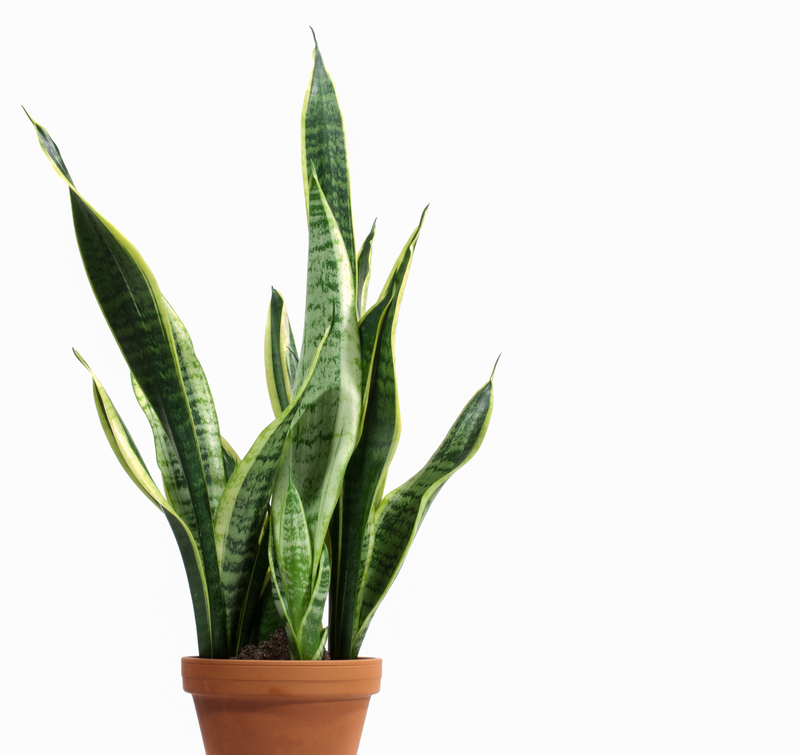
Design a Peaceful Retreat Using Tall-Potted Plants for Enhanced Privacy
You step outside with a mug of tea, the city hum whispering at the edges. A soft rustle of bamboo, a hint of jasmine in the air, and suddenly your balcony or garden corner feels like a sanctuary no one can see into. That's the power of tall-potted plants. Used well, they give you privacy, hush noise (at least how it feels), and shape an outdoor room that's yours. Clean, clear, calm. That's the goal.
In our experience designing hundreds of small urban gardens and balconies across the UK, the fastest, most flexible way to get privacy--without major building work or planning headaches--is to design a peaceful retreat using tall-potted plants for enhanced privacy. Whether you have a tiny London balcony or a generous suburban terrace, the right mix of plant heights, containers, and layout can transform your space in a weekend. To be fair, there are a few pitfalls. But you'll navigate them like a pro after this guide.
It was raining hard outside that day when we slid a trio of fibreglass troughs along a Pimlico balcony. Two hours later, the client stepped out and said, "It feels like a new apartment." That quick.
Table of Contents
- Why This Topic Matters
- Key Benefits
- Step-by-Step Guidance
- Expert Tips
- Common Mistakes to Avoid
- Case Study or Real-World Example
- Tools, Resources & Recommendations
- Law, Compliance or Industry Standards (UK-focused)
- Checklist
- Conclusion with CTA
- FAQ
Why This Topic Matters
Let's face it: privacy is wellbeing. If your neighbours can see every sip of your morning coffee, you won't relax. A calm outdoor nook can lower stress, improve focus, and invite you to spend more time outside--vitamin D, fresh air, the works. Designing a peaceful retreat using tall-potted plants for enhanced privacy takes that up a notch: with vertical greenery, you block sightlines, soften noise, and create a gentle visual rhythm. No need for hard construction, planning permission worries, or big budgets.
From a design perspective, potted screens are wonderfully flexible. Move them as your needs change. Rearrange for parties. Swap species to shift the mood--bamboo's zen energy versus a scented jasmine trellis. In tight urban settings, tall planters offer immediate impact and help avoid disputes over fixed fences or high hedges. You control the height, density, and aesthetic--without digging up the garden or upsetting the building's structure.
One client in Islington told us, "I didn't think plants could make it feel quieter." They do. Not by decibels alone, but through how our brains interpret layered, rustling sound and dappled light. Psychological calm counts.
Key Benefits
When you design a peaceful retreat using tall-potted plants for enhanced privacy, you gain more than a green wall. You craft an experience.
- Instant privacy without building work: Tall troughs, bamboo screens, and trellised planters block views the same day they arrive.
- Flexible and modular: Rearrange seasonally or for events. No expensive rework.
- Visual softness and beauty: Leaves, textures, and seasonal change beat a blank fence any day.
- Acoustic comfort: Plants won't soundproof like a wall, but rustling leaves and layered foliage can perceptually reduce noise and stress.
- Microclimate management: Wind buffering, light dapple, and reduced glare--especially on high-rise balconies.
- Scent and biodiversity: Jasmine, lavender, and rosemary invite pollinators and lift your mood.
- Compliance-friendly: Move your privacy solution rather than triggering high-hedge complaints or planning challenges.
- Space illusion: Vertical lines and layered height make small terraces feel deeper and more curated.
Truth be told, watching light sift through tall grasses at 6pm does more for the soul than another hour of scrolling.
Step-by-Step Guidance
Below is a practical, field-tested method to design a peaceful retreat using tall-potted plants for enhanced privacy in any small space: balcony, patio, roof terrace, or courtyard.
1) Define the Job to Be Done and Map Sightlines
Start with specificity. What do you want to block--kitchen window opposite, a patio door, or the street view? Sit where you'll usually relax and take a photo at eye level. Note the angle and height of the views you want to screen. Then, measure.
- Measure key dimensions: length, width, and any overhangs. On balconies, note door swing clearance.
- Identify sun, wind, and exposure: Is it a south-facing heat trap? A windy 10th-floor balcony? A north-facing shade refuge?
- Estimate target height: Typically, 1.6-2.2 m above floor level screens seated and standing views. Tall planters add 40-80 cm before the plant starts.
Small human moment: crouch, then stand, then lean--mimic how you'll actually use the space. You'll see gaps others miss.
2) Choose Plants That Fit Your Space and Lifestyle
Pick plants for your light, wind, and maintenance tolerance. The goal is evergreen backbone plus seasonal interest. UK-tested favourites for privacy in pots:
- Clumping Bamboo (e.g., Fargesia robusta, Fargesia 'Jiuzhaigou'): fast, upright, non-invasive; thrives in part shade to sun; great rustle. Avoid running bamboos unless fully contained.
- Evergreen Jasmine (Trachelospermum jasminoides): glossy leaves, summer scent; ideal for trellis in troughs; hardy in much of the UK with shelter.
- Photinia 'Red Robin': red flush of new growth; clips neatly into a dense screen; good in large containers.
- Grasses (e.g., Calamagrostis 'Karl Foerster', Miscanthus sinensis cultivars): tall, airy plumes; pair with evergreens for winter structure.
- Bay Laurel (Laurus nobilis): edible leaves, classic form; clips well; aromatic.
- Olive (Olea europaea): silvery leaves, architectural; needs good drainage; loves sun and shelter.
- Pittosporum (e.g., P. tenuifolium 'Golf Ball', 'Tom Thumb'): fine texture; tolerant; good density.
- Hardy Palms (Trachycarpus fortunei): instant height; great for wind-buffering with a lush feel.
- Climbers (Clematis armandii, ivy): for vertical trellis; choose cultivars suited to your light and climate. Ivy is vigorous--monitor growth.
For very windy sites, favour flexible canes (bamboo) and wind-tolerant shrubs. For shaded courtyards, try Fatsia japonica for bold leaves and resilience. For quick height, a trellis in a tall trough with jasmine or clematis gives you instant coverage.
Proportionality matters: Don't pick a plant that wants to be 6 m tall for a 1 m planter; you'll be pruning forever. Aim for 1.5-3 m mature height in containers for most home settings.
3) Select the Right Tall Planters
Planter height is your stealth weapon. Tall or trough planters add immediate screen elevation and root volume. Consider:
- Size: Bigger is better for privacy plants. Minimum ~40 cm depth and 80-100 cm length for troughs; larger for bamboo and shrubs.
- Material: Lightweight fibreglass (GRP), fibreclay, or powder-coated aluminium are durable and balcony-friendly. Timber looks warm--use treated wood with liners.
- Drainage: Essential. Pre-drilled holes, free-draining substrate, and pot feet. Standing water = root rot.
- Weight & load: On balconies, check structural load allowances (ask building management). Wet soil is heavy.
- Mobility: Consider hidden casters, dolly trays, or wheeled platforms for reconfiguration.
We once swapped two heavy ceramic pots for fibreglass troughs. Same look, half the weight. The sigh of relief--palpable.
4) Build the Soil System
Container plants rely entirely on you and the pot. Use a high-quality, peat-free compost with structure and drainage. We often blend:
- 60-70% peat-free multipurpose compost (RHS-endorsed blends are reliable)
- 20-30% horticultural grit or perlite for drainage
- 5-10% well-rotted composted bark for structure
- Slow-release fertiliser prills mixed in (6-9 month)
Layering technique:
- Cover drainage holes with mesh to keep mix from washing out.
- Add 2-3 cm of coarse gravel or clay pebbles--optional, but helps in heavy rain zones.
- Fill to one-third with your custom mix.
- Set plants at final height, backfill firmly, leaving a 2-3 cm watering lip at top.
- Water deeply until runoff; top with bark mulch to conserve moisture.
5) Arrange for Sightlines and Flow
Design the "green walls" to block specific views, not everywhere (you still want light and sky). A simple three-zone layout works for most balconies:
- Backbone screen: A continuous line of troughs (bamboo or Photinia) along the most exposed edge.
- Soft corner: A taller focal pot with a palm or olive to break wind and create intimacy.
- Scented layer: Trellised jasmine behind seating for evening fragrance.
Stagger heights. Use taller planters where you need immediate coverage and lower troughs where you want to keep views. Think of the space as an outdoor room--walls, a ceiling of sky, and a cosy "sofa zone."
You could almost hear the city fade when we angled a single tall planter to block a direct neighbour's line of sight. Tiny shift, big difference.
6) Watering and Irrigation
Consistent moisture keeps tall-potted privacy plants lush. Options:
- Self-watering planters: Integrated reservoirs reduce frequency. Great for busy weeks.
- Drip irrigation with a timer: A simple micro-drip kit on a tap timer waters quietly at dawn. Use pressure reducers and filter screens.
- Manual with a schedule: Morning watering in summer; check soil moisture by finger or a probe. Avoid letting pots fully dry out, especially bamboo.
Water more on hot, windy days. Reduce in winter but don't let evergreens desiccate in cold winds. If hosepipe bans strike, use a watering can from a water butt or greywater from rinsing vegetables (avoid salty or greasy water).
7) Pruning, Feeding, and Seasonal Care
- Pruning: Lightly shape bamboos by removing dead canes; clip Photinia to maintain density (late spring and late summer). Trim jasmine after flowering.
- Feeding: Top up slow-release fertiliser in spring; supplement with liquid seaweed mid-season for container vigour.
- Repotting: Refresh the top 5-10 cm of compost each spring. Full repot every 2-4 years, or root prune bamboos to maintain size.
- Winter protection: Fleece wrap in exposed sites; raise pots on feet; avoid saucers that freeze.
- Wind anchoring: Use discreet tie-backs or ballast at the base of tall planters on high balconies.
Winter morning, frost on the pot rims, steam from your mug. Your plants still stand tall--because you mulched and raised those pots. Nice.
8) Lighting for Evening Calm
Low, warm lighting makes the greenery glow without feeling like a shop window. Choose 2700-3000 K warm white. Avoid glare. Techniques:
- Underlighting: Place low uplights at the rear of planters to graze foliage.
- String lights: Outdoor-rated, draped along a trellis for softness.
- Solar stakes: Easy, no wiring; pick quality units for UK winters.
Keep electrics to BS 7671 standards for outdoor installs and use IP65 or higher fittings. We'll touch more on compliance below.
9) Style It for the Senses
Privacy is visual, but sanctuary is sensory. Combine:
- Scent: Jasmine by the seat, rosemary by the grill, lavender by the steps.
- Texture: Smooth fibreglass planters against feathery grasses--contrast is calming.
- Sound: A tabletop water bowl or small fountain masks traffic; rustling bamboo seals the deal.
At dusk, a breeze through Calamagrostis makes a gentle hush-hush. You exhale with it. Its kinda wild how fast stress drops.
Expert Tips
- Use tall planters to "cheat" height: A 70 cm trough plus a 150 cm plant gives a 220 cm screen--just where you need it.
- Layer evergreen + seasonal: Evergreen structure (Photinia, bamboo) with seasonal pop (grasses, bulbs) keeps it lively year-round.
- Mix densities: Plant a dense screen where privacy is critical and sparser textures where you want light. Balance is everything.
- Think wind first: On high-rise balconies, flexible plants fare better than rigid ones. Use wind-permeable screens, not solid walls.
- Micro-zoning: Place scented plants near seating and high-traffic spots; keep messy seeders away from dining tables.
- Repurpose materials: Timber offcuts for custom trellis; reclaimed slate as planter toppers--looks bespoke, saves money.
- Trial layout before potting: Use empty boxes at planter size to map flow. You could almost smell the cardboard dust in the air--worth it for clarity.
- Drainage audit: After heavy rain, check for pooling. Add more feet, drill extra holes (with care), or lighten the mix.
- Fire-safe decor: For balconies, choose non-combustible planters or keep combustibles minimal; check building rules.
- Keep it human: A throw, a lantern, a stool. Privacy is the structure; comfort is the glue.
Common Mistakes to Avoid
- Choosing running bamboo without containment: Nightmare in the ground and awkward even in pots if unchecked. Choose clumping types.
- Undersized planters: Starved roots, wobbly plants, constant watering. Go bigger.
- No drainage: Waterlogged pots kill roots. Always add drainage holes and pot feet.
- Ignoring wind exposure: Tall, top-heavy pots can tip. Anchor or choose flexible species.
- Overwatering evergreens in winter: Soggy soil in cold leads to root issues. Ease off but don't let them bone-dry.
- Monoculture: One plant type looks flat and risks pest outbreaks. Mix textures and species.
- Neglecting load limits: Balconies aren't ground. Check weight and spread loads with trays.
- "Set and forget" mindset: Containers need consistent care--feeding, pruning, and checks.
- Planting invasive species: Don't use Schedule 9 offenders (e.g., Japanese knotweed). It's illegal to plant them in the wild.
- Blocking all light: Total screening can make spaces feel cramped. Leave edited views--sky, a nice tree, the sunset.
Yeah, we've all been there--cramming too much into one pot. Step back, breathe, edit.
Case Study or Real-World Example
Project: A narrow London balcony, 1.2 m x 5 m, 6th floor, south-west facing. The brief: design a peaceful retreat using tall-potted plants for enhanced privacy against a busy road and opposite flats.
Challenges: Strong crosswinds, low parapet, weight limits, neighbour sightlines. The client wanted fast results without drilling or fixed screens.
Design:
- Three 1 m fibreglass troughs (35 cm deep) along the rail, raised on 2 cm feet.
- Planting: 5x Fargesia 'Jiuzhaigou' (clumping bamboo), 2x Calamagrostis 'Karl Foerster' for movement, 1x trellis trough with Trachelospermum jasminoides behind the bistro table.
- Soil: peat-free mix with perlite and slow-release fertiliser; 5 cm bark mulch.
- Irrigation: battery timer + micro-drip line set to 6 am, 10 minutes, adjusted seasonally.
- Lighting: two IP65 warm uplights on smart plug schedule.
Outcome: Day 1 privacy from seated eye level; Day 30 bamboo had filled out nicely; at 6 months, the client reported "quieter evenings" and more time outdoors. Sightlines from opposite flats were blocked at typical angles, while sky and sunset remained visible.
Costs (approx., London): ?1,250 for planters, ?350 plants, ?120 soil/mulch, ?95 drip kit, ?140 lights. All installed in one rainy afternoon. You could almost smell the wet bamboo canes as we finished up. Worth the soggy socks.
Tools, Resources & Recommendations
Tools
- Measuring tape, spirit level, and chalk line for layout
- Hand saw or secateurs, loppers for pruning
- Drill with masonry/metal bits for additional drainage holes if needed
- Soil scoop, buckets, and a tarp for tidy filling
- Moisture meter for container checks
- Heavy-duty plant caddies or dolly trays for mobility
Recommended planter types
- Lightweight fibreglass troughs (frost-resistant)
- Powder-coated aluminium planters for sleek, modern lines
- Timber troughs with liners for natural warmth
Go-to plant list for UK privacy-in-pots
- Clumping bamboo: Fargesia robusta, F. 'Jiuzhaigou', F. 'Rufa'
- Evergreen jasmine: Trachelospermum jasminoides
- Photinia: 'Red Robin', 'Pink Marble' (shelter from harsh winds)
- Grasses: Calamagrostis, Miscanthus (choose dwarf forms on small balconies)
- Bay, olive, pittosporum, Fatsia, hardy palm (Trachycarpus)
Reference standards and guidance
- RHS (Royal Horticultural Society) advice on container growing and peat-free composts
- BS 7671 (IET Wiring Regulations) for outdoor electrics
- IP ratings for fittings (aim IP65 or higher outdoors)
- BS EN 12580 for growing media volume measurement (useful when ordering bulk media)
- HTA (Horticultural Trades Association) plant health and sourcing best practice
Little tip: if a supplier quotes a planter volume, cross-check against BS EN 12580 methods--or just measure length x width x depth and convert to litres. Saves under-ordering compost. It happens a lot.
Law, Compliance or Industry Standards (UK-focused if applicable)
While designing a peaceful retreat using tall-potted plants for enhanced privacy, keep these UK points in mind. They're not scary--just good to know.
- High Hedges: Part 8 of the Anti-social Behaviour Act 2003 allows complaints about evergreen hedges over 2 m that adversely affect neighbours. Potted screens are generally more flexible, but be considerate.
- Permitted Development: Fixed fences over set heights often need permission; movable planters usually don't. Still, check with your local planning authority if in doubt, especially in conservation areas.
- Balcony Safety: Building management may have rules on weight, fixings, and combustibles on balconies. Follow building fire safety guidance (e.g., Fire Safety (England) Regulations 2022 and local fire brigade advice). Use non-combustible or fire-retardant materials where practical.
- Outdoor Electrics: Comply with BS 7671. Use outdoor-rated (IP65+) fittings, RCD protection, and competent installation.
- Invasive Species: It is an offence to plant or allow to spread certain species listed under Schedule 9 of the Wildlife and Countryside Act 1981 (e.g., Japanese knotweed, giant hogweed). Source responsibly.
- Pesticides: Follow label instructions and UK HSE guidance; consider integrated pest management first.
- Water Restrictions: During drought/hosepipe bans, use watering cans, butts, or drip systems where permitted. Some water companies offer exemptions for newly planted stock--check locally.
- Waste & Recycling: Dispose of soil and plant waste via green waste schemes or licensed tips. Don't dump soil in communal areas.
A quick email to your building manager before installing heavy planters can save headaches later. Two minutes now; weeks saved later.
Checklist
- Define privacy goals and map sightlines with photos.
- Measure space; note sun, shade, and wind exposure.
- Choose evergreen backbone + seasonal plants suited to your microclimate.
- Select tall or trough planters with proper drainage and adequate volume.
- Plan soil mix: peat-free compost, grit/perlite, slow-release feed, mulch.
- Layout: stagger heights; keep access clear; angle for best screening.
- Install irrigation (self-watering or drip) and set a watering routine.
- Anchor tall planters on windy sites; check balcony load limits.
- Add lighting (warm, low-glare) with IP65 fittings; follow BS 7671.
- Seasonal care plan: pruning, feeding, winter protection.
- Neighbour-friendly approach: maintain heights, avoid overhang.
Conclusion with CTA
When you design a peaceful retreat using tall-potted plants for enhanced privacy, you're not just screening a view--you're choreographing light, scent, and calm. Done well, it feels like a little holiday, every evening, right outside your door. Start with one planter. Then another. Let the space teach you what it wants.
Get a free quote today and see how much you can save.
Take a breath. Step outside. This can be your quiet place--really yours.
FAQ
Are tall-potted plants suitable for very windy balconies?
Yes--with the right species and setup. Choose flexible plants like clumping bamboo or Calamagrostis, use large, weighted planters, and anchor discreetly. Avoid top-heavy trees in small pots, and always check balcony load limits.
How tall should my planters and plants be to ensure privacy?
For seated privacy, aim for 140-160 cm total height; for standing privacy, 180-220 cm. Combine tall troughs (40-70 cm) with plants reaching 120-160 cm in containers for a comfortable screen.
What are the best low-maintenance options for privacy in pots?
Clumping bamboos (Fargesia), Photinia, pittosporum, and hardy grasses are reliable. Pair with self-watering planters or drip irrigation to cut upkeep. Evergreen jasmine on a trellis is also surprisingly easy once established.
Will bamboo damage my balcony or planters?
Clumping bamboos won't run, and roots won't damage structurally sound planters. Use large containers with good drainage and repot or root prune every 2-3 years to keep them healthy.
Do tall-potted plants really reduce noise?
They don't soundproof like walls, but they change the soundscape. Leaves rustle, and the visual barrier helps your brain perceive less intrusion. Add a small water feature for gentle masking of traffic noise.
How many planters do I need for a small balcony?
For a typical 1-1.5 m x 4-5 m balcony, three 1 m troughs create a strong backbone screen. Add one feature pot and a trellis trough for targeted gaps. Start small; add if needed.
What's the best compost for tall privacy plants?
Use a high-quality, peat-free mix with added grit or perlite for drainage. Incorporate slow-release fertiliser. Top up mulch yearly and refresh the top layer of compost each spring.
Can I achieve privacy in one weekend?
Absolutely. Order planters, compost, and plants in advance. Lay out positions, fill, plant, and water deeply. Add a trellis planter for instant coverage. It's a satisfying weekend project--you'll see why.
How do I protect plants in winter?
Raise pots on feet, reduce watering, and use fleece on cold, windy nights. Choose hardy species for your zone. Grasses can be left as winter structure and cut back in late winter.
Are there UK laws about plant height on balconies or patios?
There's no blanket balcony plant-height law, but evergreen "high hedges" over 2 m can trigger complaints under the Anti-social Behaviour Act 2003. Keep good relations, maintain tidy screens, and check building rules.
Which plants are safe if I have pets?
Bay, certain grasses, and many bamboos are generally pet-safe. Avoid toxic species like yew or oleander. Check a pet-toxicity list before buying, especially for cats that nibble leaves.
What irrigation setup works best if I travel often?
A simple micro-drip kit on a battery or smart timer is ideal. Use pressure reduction and a filter, set early-morning runs, and add a moisture sensor if you want extra control.
How can I keep planters from staining my decking or balcony?
Use pot feet or risers to allow airflow and drainage. Place trays that catch runoff, and consider non-marking mats beneath heavy planters.
Can I combine privacy plants with edible options?
Yes--rosemary, bay, and compact tomatoes or chillies in sunny spots pair well. Keep taller privacy plants at the back and edibles at the front for easy picking.
What if my space is deep shade?
Try Fatsia japonica, Aucuba japonica, certain ivy cultivars, and shade-tolerant ferns. Use lighter planter colours to brighten the area and add warm lighting for evenings.
Will tall planters tip over?
Use wide, heavy bases, add internal ballast (gravel bags) if needed, and avoid narrow, top-heavy designs in high-wind sites. Grouping planters shares wind load and adds stability.
How do I avoid a "corridor" feel on a narrow balcony?
Stagger planters and vary heights; angle one or two to break sightlines. Keep a clear 60-80 cm walking path. A small round table softens lines more than a rectangle.
Can I reuse old soil to save money?
Yes, partially. Refresh the top 10-15 cm each spring, mix in new compost and slow-release feed, and remove circling roots. Full replacement every few years keeps plants vigorous.
How do I make it look designer on a budget?
Choose two planter colours max, repeat plant species for rhythm, and add one standout focal pot. Less clutter, more intention. A neat mulch layer instantly elevates the look.
Any scent suggestions for evening relaxation?
Evergreen jasmine for summer nights, rosemary year-round, and a pot of lavender near the chair. One whiff, and your shoulders drop. That's the point.